Curaduría
Manizales, Colombia. Del 28 de agosto al 20 de septiembre del 2024. Centro Colombo Americano
ARTISTAS
Andrea Ospina – Erika Orozco – Jennifer Rubio
Leandro Ocampo – Quinaya Qumir
MEDIACIONES – Semillero Mediaciones y Teorías del Arte
Alejandra Murcia – Angie Gutiérrez – Daniel Ruiz
Diego Quintero – Jana Riaño – María José Moreno
Sofía Muñoz – Tomás Marín
Viviana Franco – David Tobón



Texto curatorial
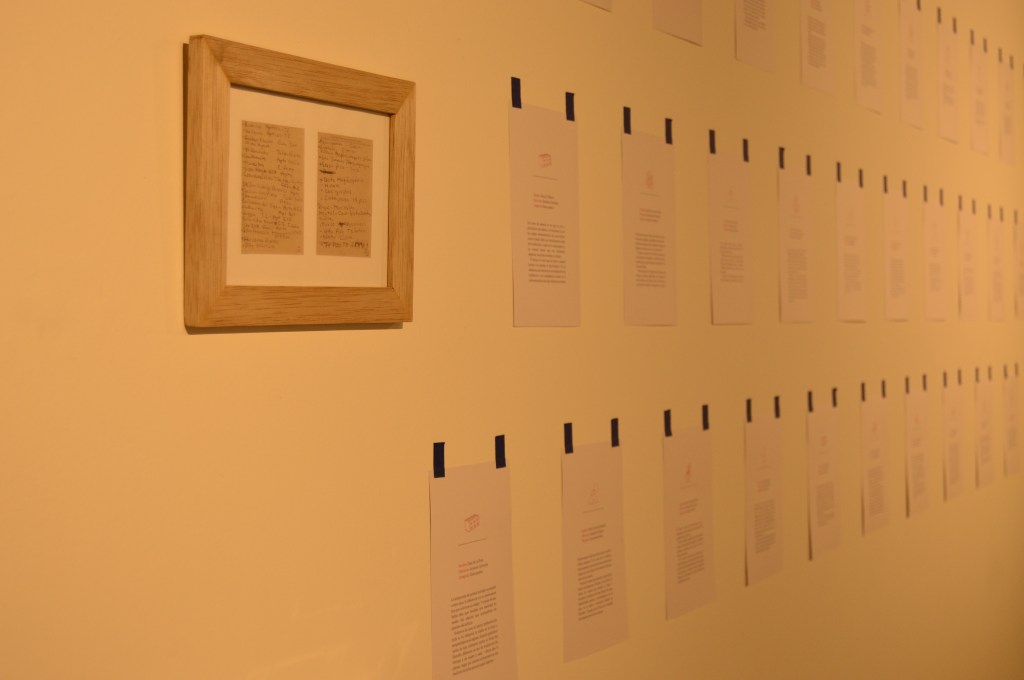
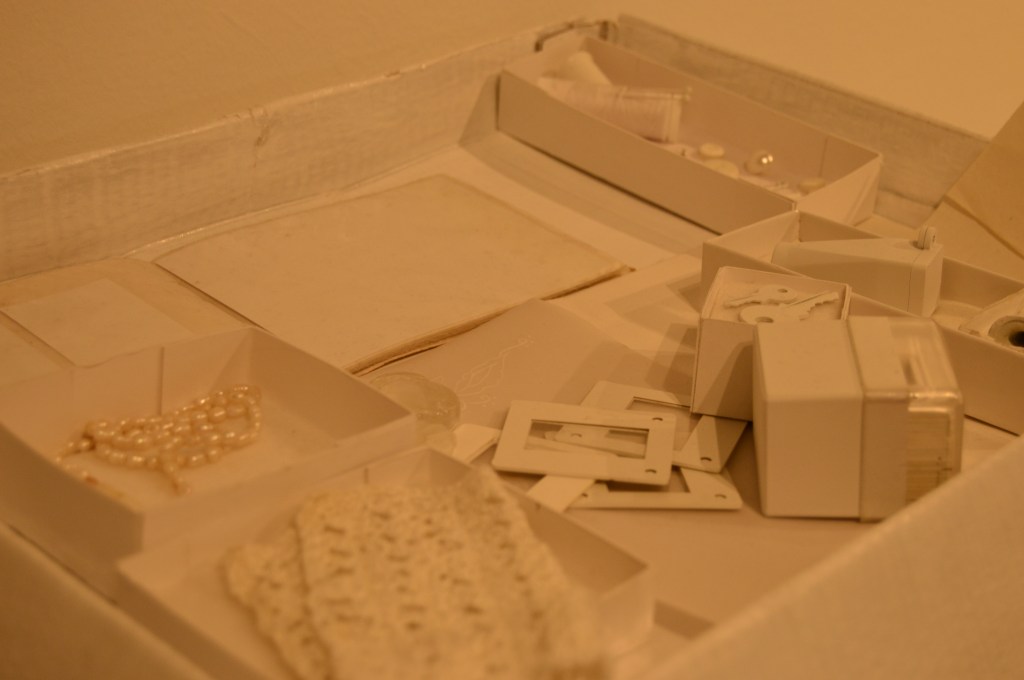
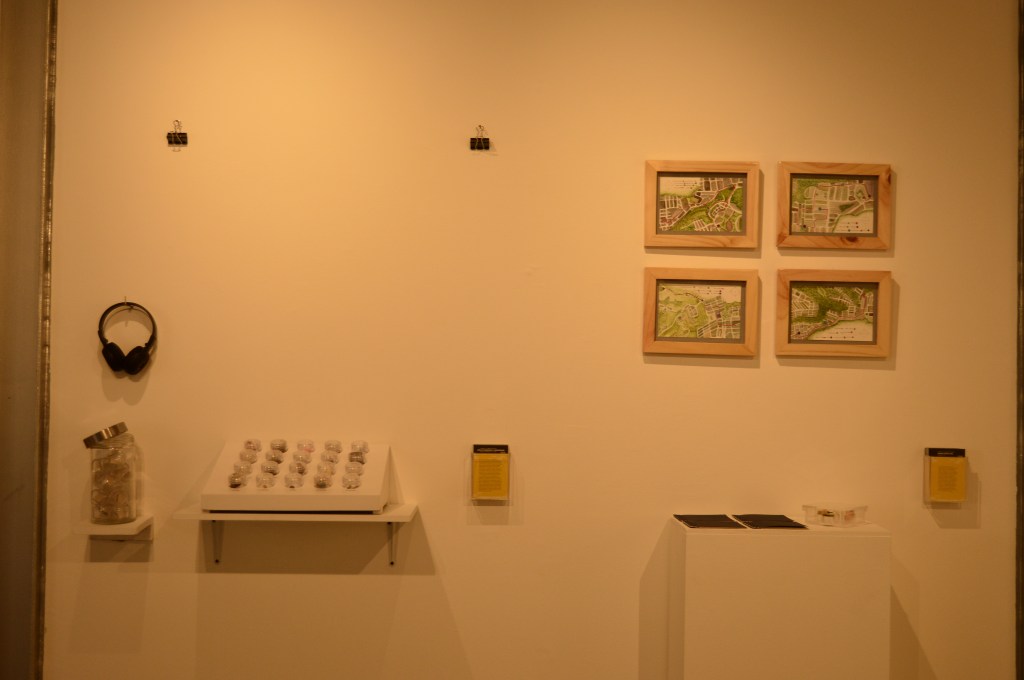
Qué experiencia tan misteriosa es la de recordar, transitar los linderos de la memoria y la historia. El pasado siempre me ha parecido fragmentario e irrecuperable, poblado de olvidos, omisiones y encubrimientos. Algunos recuerdos nos reconfortan con su calidez y ternura, otros son heridas abiertas que no logran cicatrizar. También hay recuerdos que pasamos por alto: una piedrita o la hoja de un árbol que encontramos en un día soleado mientras caminábamos por la ciudad; la fachada de las casas en las que hemos vivido, sus muebles, cajones y jardines; las fotografías del álbum familiar que se han enrarecido con el paso del tiempo; los botones, las llaves, los perfumes, las cartas de amor que se han quedado sin destinatario; incluso esas grafías que conforman nuestros nombres, los reflejos de ese rostro que se repite y al mismo tiempo se desvanece en el espejo.
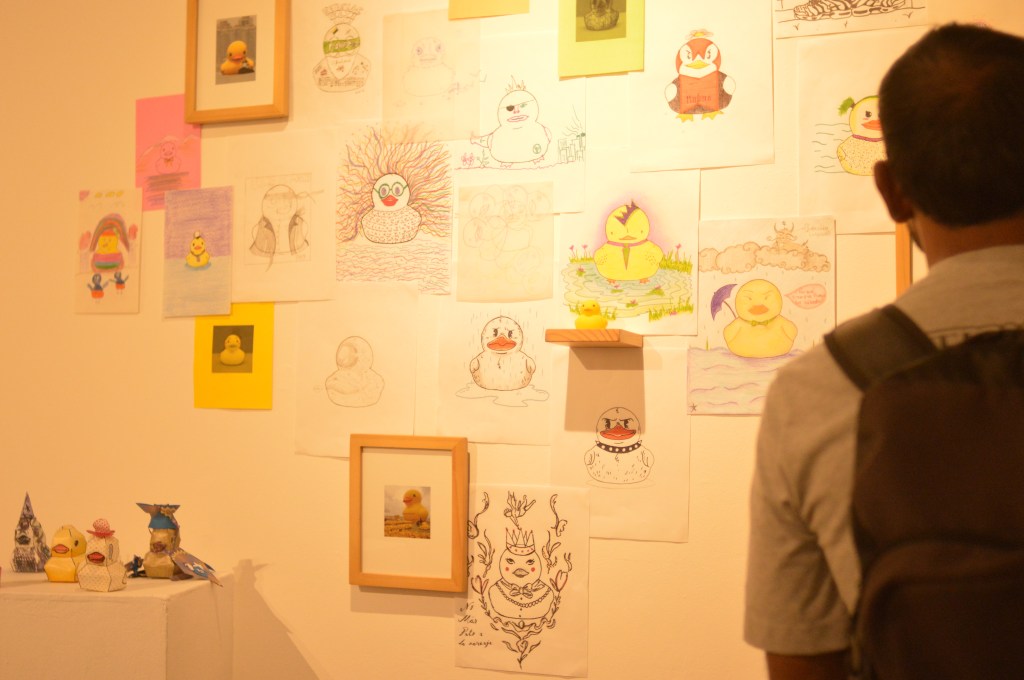
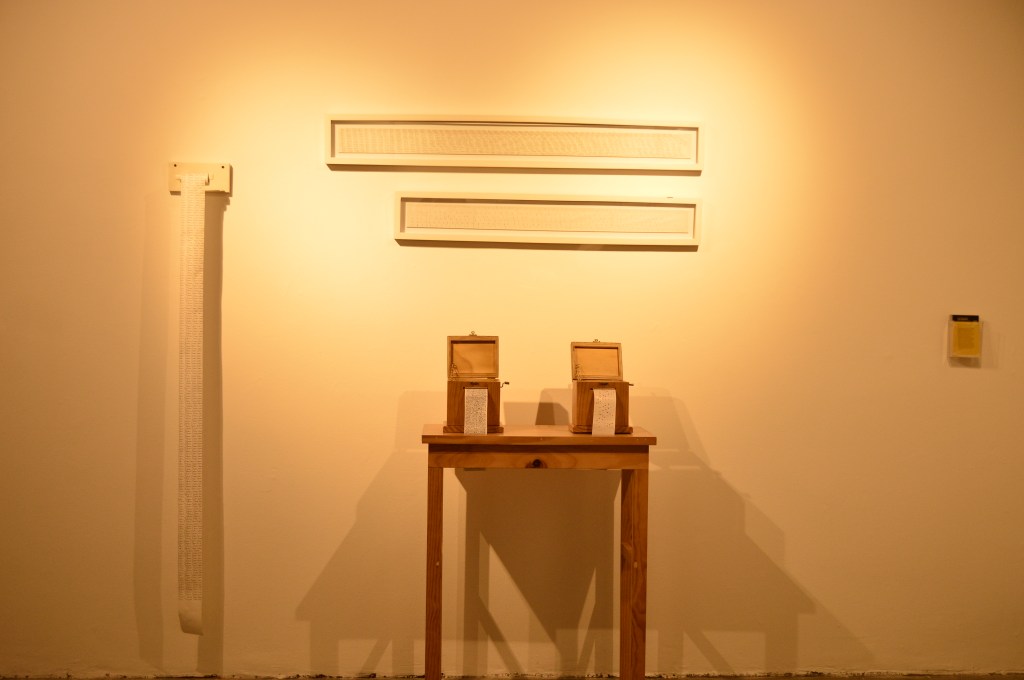
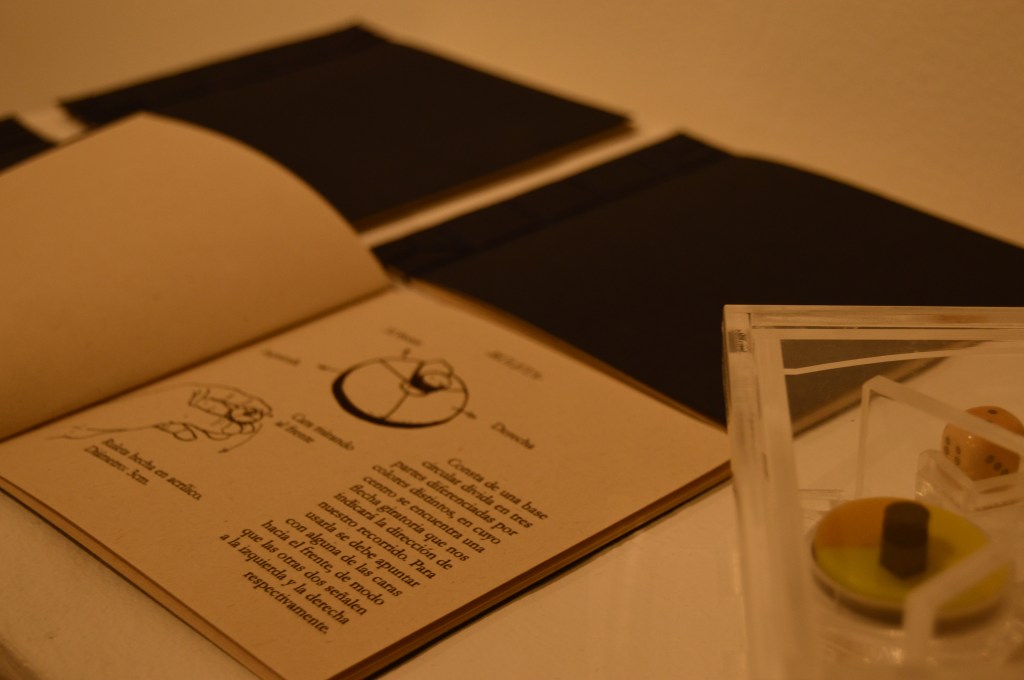
El arte archivo no es arte conceptualista europeo (desmaterializado, tautológico y autorreferencial), no es un método para recordarlo todo y quedar absortos en la contemplación de los anaqueles empolvados de la historia, tampoco es una forma de erigir monumentos, petrificar el pasado y grabar leyes en piedra. La estrategia archivo consiste en escuchar los susurros de los objetos, comprenderlos como testimonios, como documentos transitorios, sólo entonces el arte logra apropiarse de ellos: intervenirlos, traducirlos, clasificarlos y desclasificarlos, incluirlos en índices, sistemas, cartografías y enciclopedias. Se trata de traer el pasado a nuestros días, pero en ese desplazamiento, el presente y el futuro se estremecen y reconfiguran. Hay personas que, como artistas, alquimistas o chamanes, hacen pactos con el tiempo, trabajan con las relaciones secretas que existen entre momentos discontinuos; trazan vínculos y distancias, intervienen en ese tejido de instantes pasajeros y retornos imposibles que, en ocasiones, arroja un poco de luz sobre nuestra vida oscurecida.
Pedro Antonio Rojas Valencia
Eng
Remembering is such a mysterious experience, walking the borders of memory and history. The past has always seemed fragmented and irretrievable to me, filled with forgotten moments, omissions, and cover-ups. Some memories comfort us with warmth and tenderness, while others are open wounds that never heal. There are also memories we overlook: a small stone or a leaf from a tree we found on a sunny day while walking through the city; the facades of the houses we’ve lived in, their furniture, drawers, and gardens; photographs in the family album that have grown strange over time; buttons, keys, perfumes, love letters that have no recipient; even the writing that forms our names, the reflection of our face that repeats itself yet fades away in the mirror.
Archive art is not European conceptual art (dematerialized, tautological, and self-referential). It’s not a way to remember everything and get lost in the contemplation of dusty history shelves. Nor is it a way to build monuments, freeze the past, and carve laws into stone. The archive strategy is about listening to the whispers of objects, seeing them as testimonies, as temporary documents. Only then can art truly take them in: intervene with them, translate them, organize and reorganize them, include them in indexes, systems, maps, and encyclopedias. It’s about bringing the past into the present, but in doing so, the present and future shake and reconfigure. Some people, like artists, alchemists, or shamans, make pacts with time, working with the hidden connections between distant moments; they trace links and distances, intervening in that fabric of fleeting moments and impossible returns, which, at times, sheds some light on our darkened lives.
Pedro Antonio Rojas Valencia
 Pedro Rojas